Quick take:
-
Hard water is a documented issue throughout Gretna and the broader Omaha metro area, and a professionally installed water softener is the most direct solution.
-
The installation process involves a water test, proper system sizing, and connection to your home’s main supply line.
-
Choosing a local, water-treatment-only specialist reduces the risk of an undersized or incorrectly plumbed system.
Getting water softener installation in Gretna, NE, right starts before any equipment enters your home. A proper installation is built on a water test, accurate sizing, and clean handling practices — shortcuts at any of those stages can leave you with a system that underperforms or fails early.
Why Gretna Homes Commonly Need Water Softeners
Hard water is one of the most common water quality concerns in Gretna and the surrounding communities. Hard water carries elevated concentrations of dissolved calcium and magnesium. Left untreated, those minerals build up inside pipes, water heaters, and appliances, reducing efficiency and shortening service life. You may also notice soap scum on shower walls, stiff laundry, and dry skin after bathing — all classic signs that softening is warranted.
Common Nebraska water issues include hardness, iron, nitrates, chlorine, and other contaminants that vary by neighborhood and water source. Homes on municipal supply and those on private wells can both experience hard water, though well-water households often face additional iron or nitrate concerns that influence which system is the right fit.
According to the U.S. Geological Survey’s water hardness data, Nebraska sits in a region where groundwater hardness levels are consistently elevated, making water softeners a practical long-term investment for most households.
What the Installation Process Actually Involves
A professional water softener installation follows a clear sequence. Skipping steps—especially the water test—is the most common reason homeowners end up with a system that doesn’t perform as expected.
-
Water testing. A technician tests your supply for hardness, iron, and other minerals. The results determine which type of softener and what grain capacity your household needs.
-
System sizing. Capacity is calculated based on household size, daily water usage, and hardness level — not a one-size-fits-all estimate.
-
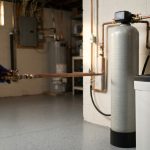
Location selection. We place the softener on the main supply line before water reaches your water heater, typically in a utility room, basement, or garage.
-
Plumbing connection. We connect the unit to the supply line, run a drain line for backwash cycles, and install a bypass valve so you can service the system without cutting off water to the house.
-
Programming and startup. The control valve is set to match your water hardness and regeneration schedule, and the brine tank is loaded with salt.
-
Post-install check. The technician verifies flow, pressure, and softened water output before leaving.
Proper sizing is based on water usage, hardness levels, and water testing — not guesswork.
Softener Types: Choosing the Right System
Not every home needs the same equipment. The table below outlines the most common options and their best-fit scenarios.
|
System Type |
How It Works |
Best For |
|
Salt-based ion exchange |
Exchanges calcium and magnesium for sodium ions |
Most Gretna households with hard municipal or well water |
|
Salt-free conditioner |
Alters mineral structure without removing them |
Low-sodium dietary needs; light hardness |
|
Iron filtration + softener combo |
Combines softening with iron removal |
Well-water homes with iron staining |
|
Whole-house filtration system |
Addresses hardness, sediment, chlorine, and more |
Homes with multiple water quality concerns |
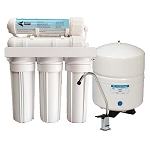
Verified services include installation and repair for reverse osmosis, iron filtration, drinking water systems, water softeners, and UV light filtration. Additional offerings include salt delivery, ozone, carbon filters, and filtration for iron, sulfur, nitrate, manganese, and tannin. Knowing what is in your water before selecting a system prevents you from paying for treatment capacity you don’t need.
What to Look for in a Local Installation Provider
Installation quality matters as much as the equipment itself. A few criteria worth evaluating before hiring:
-
Water-treatment focus. Providers that specialize exclusively in water treatment tend to carry the right inventory and understand local water conditions more precisely than general plumbers who offer softeners as a side service.
-
Clean handling practices. Your water softener or filtration system should never ride in the same vehicle as drain waste or sewage equipment, and should be transported, stored, and installed in a clean environment.
-
Transparent sizing. Ask how the technician calculated the recommended grain capacity. If the answer does not reference your actual water test results, that is a red flag.
-
Service after installation. Sales and service should cover all makes and models, not just the brand the company sells.
Frequently Asked Questions
How long does a water softener installation take? Most residential installations take two to four hours, assuming the plumbing access point is straightforward and no additional filtration equipment is added at the same time.
Do I need a water test before installation? Yes. A water test is the only reliable way to confirm hardness levels and identify secondary issues like iron or nitrates that affect which system you need and how to program it.
Can a water softener be installed on well water? Yes, but well water often contains iron or other minerals that can foul a standard softener resin bed. A combined iron filter and softener, or a pre-filter, is frequently recommended for well-water homes in the Gretna area.
How often does a water softener need maintenance after installation? Check salt levels monthly and top off as needed. A professional service check every one to two years helps catch resin degradation, valve wear, or programming drift before they affect water quality.
If you are ready to schedule a water test or get a quote for installation, Omaha H2O is a locally based, water-treatment-only provider serving Gretna and the surrounding Omaha metro area. Omaha H2O is a family-owned and operated small business dedicated to providing the best customer experience with the highest-quality water and air filtration products. Free quotes are available, and the team handles sales, installation, and ongoing service for water softeners, reverse osmosis systems, UV filtration, and more.